“The empowerment of women has been a constant inspiration throughout my life”
Tackling gender and health inequalities has always mattered to me
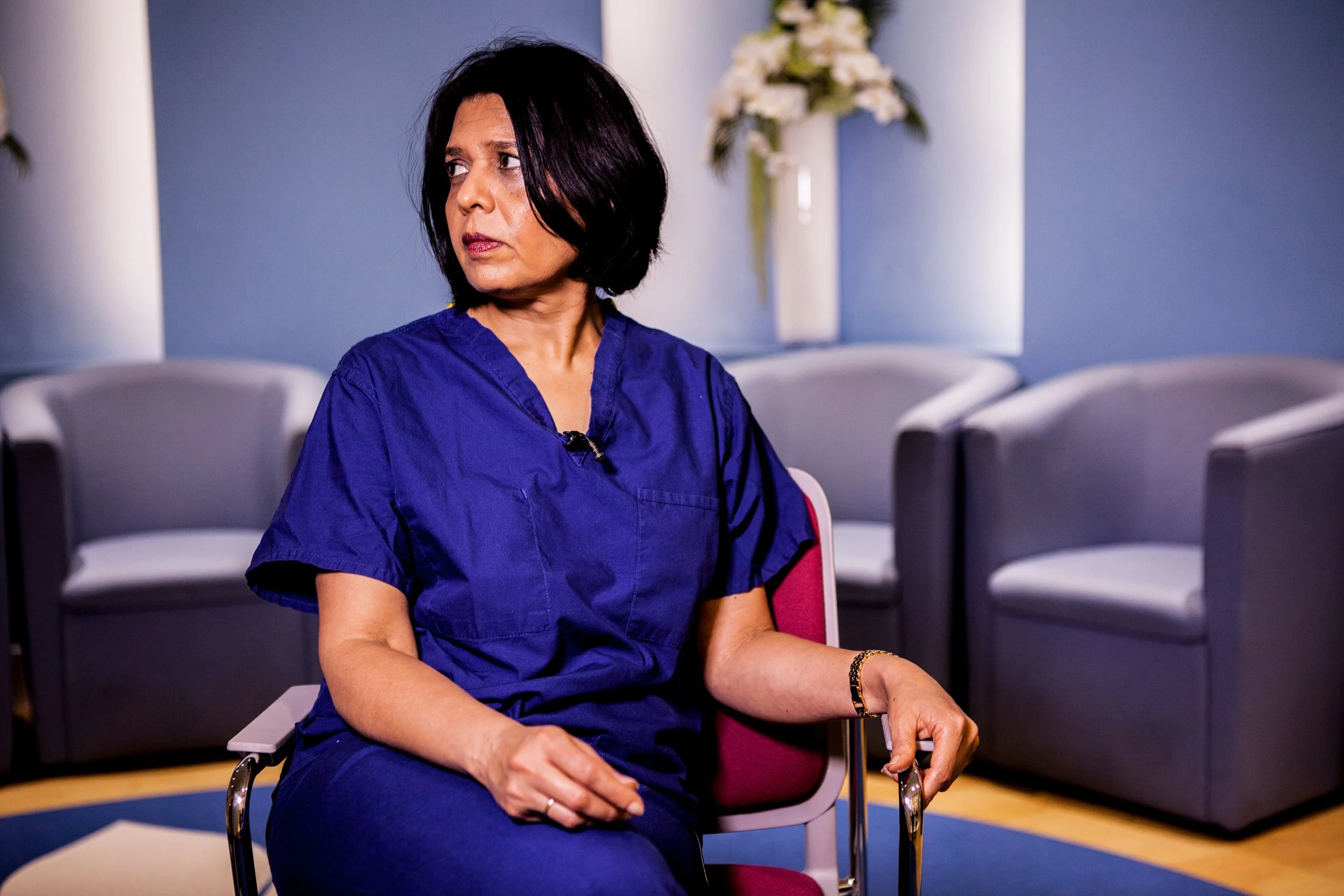
I was born in a small Indian village and, although my mother never had the opportunity to go beyond secondary school, she was passionate about education and equality. She believed deeply in the empowerment of women and has remained a constant inspiration throughout my life.
I began my medical studies as a teenager, graduating from medical school at 22, and I came to the UK in my mid-twenties, to work as a junior doctor in the NHS. I remember reading about the world’s first test tube baby in 1978, which was a medical sensation – little realising that I would get to know the IVF pioneer Professor Robert Edwards, who became a great supporter of my work and the patron of my charity, Health Equality Foundation. It has also been my privilege to work with Professor Stuart Campbell, pioneer of ultrasound in obstetrics and gynaecology, who became my mentor.
I was drawn to reproductive medicine because nothing can be more rewarding than creating life. It is also about equality of opportunity, and I have always been passionate about making fertility treatments more natural, accessible and safer for women and children. That led me to pioneer mild and natural IVF. Affordability and fairness have always been my guiding principle - through my previous work with the Walking Egg Foundation, which brings low-cost IVF to developing countries, and in the UK where we created abc ivf to apply the same principles.
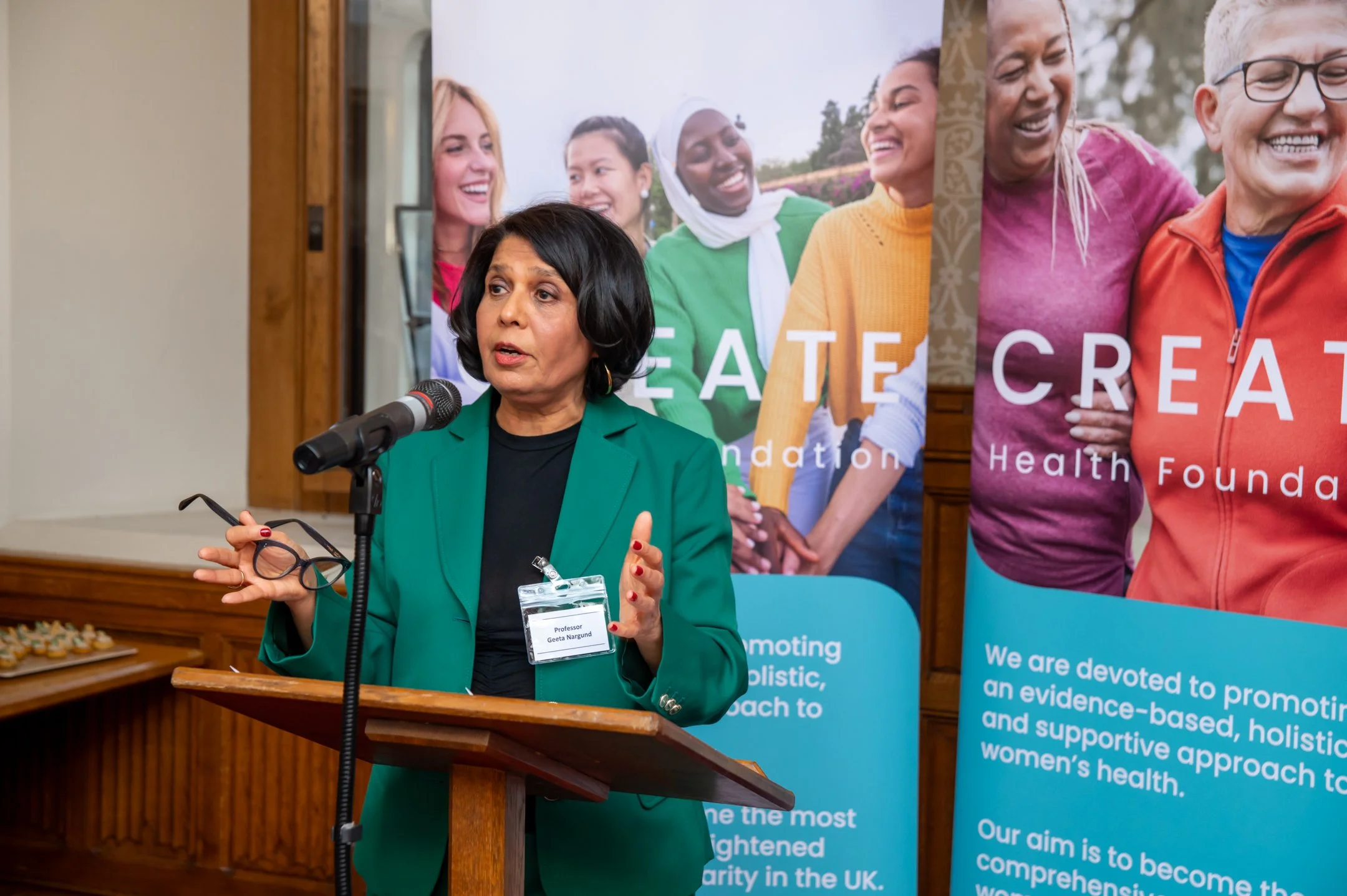
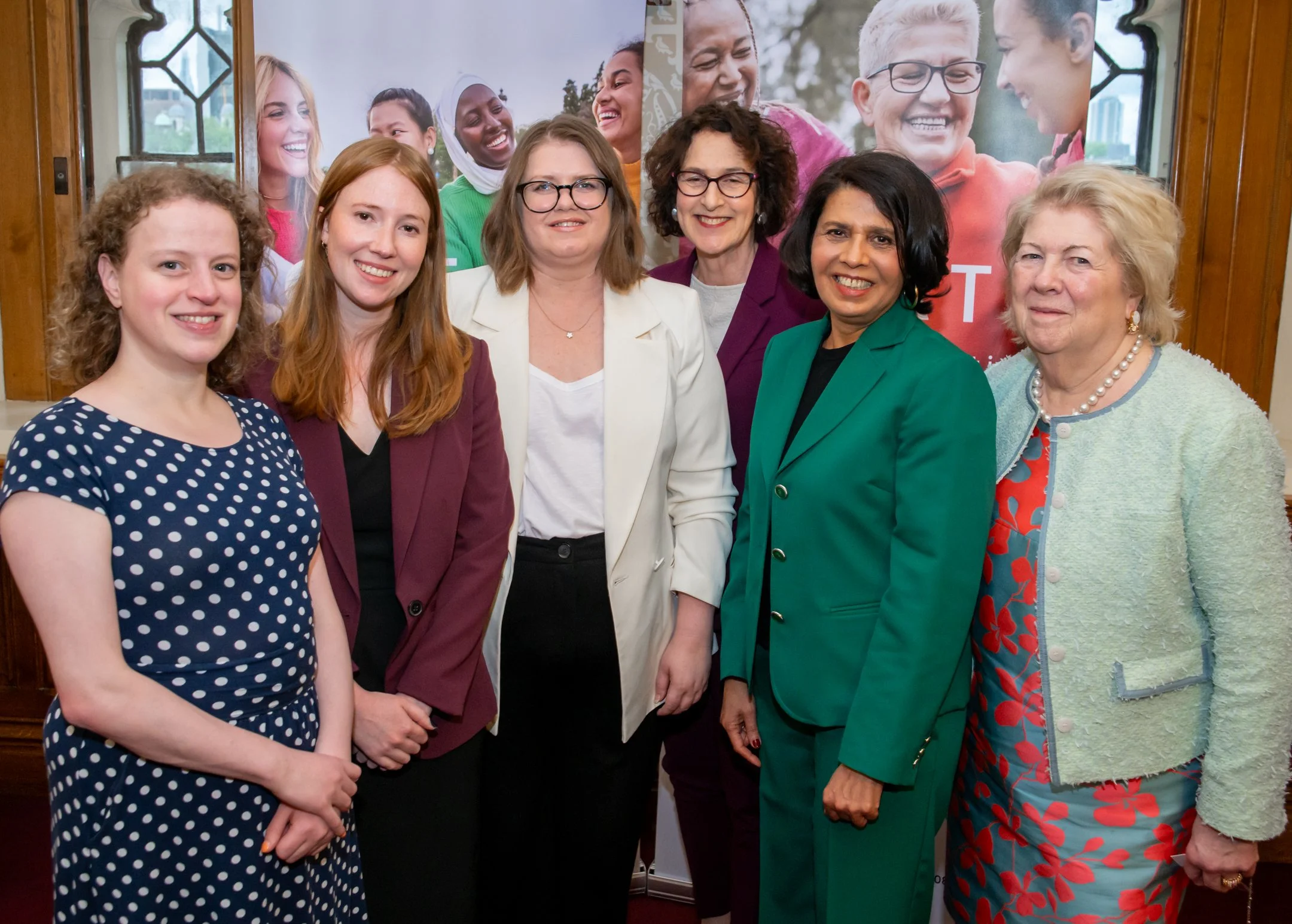
I founded Health Equality Foundation in 2000 (previously known as Create Health Foundation), a health charity devoted to promoting an evidence-based, holistic, and supportive approach to improving women's healthcare, tackling health inequalities affecting BAME communities, and addressing social determinants of health. We work with policymakers and advisers to make a difference.
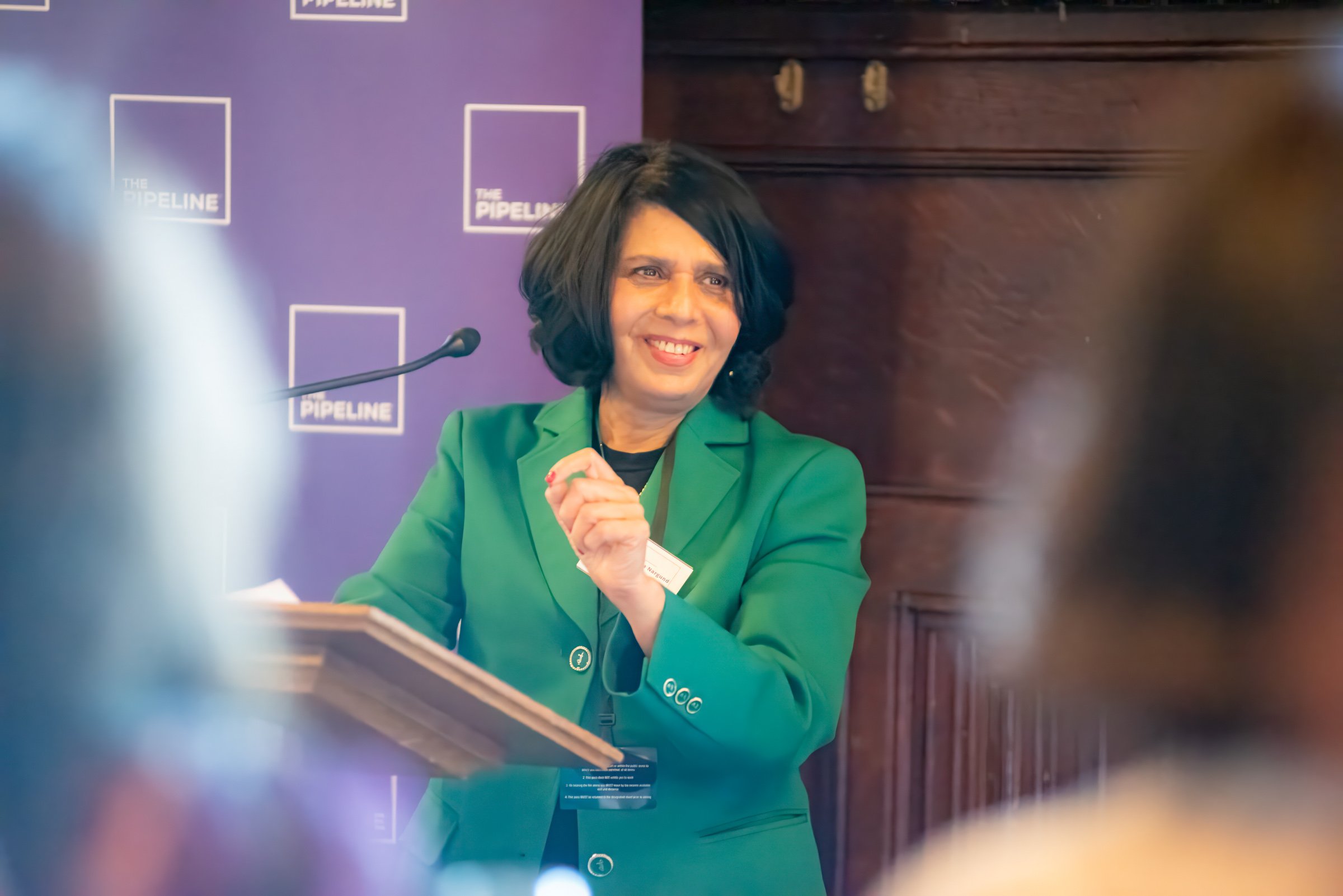
The golden thread is education and giving everyone the opportunity to achieve
I have worked in the NHS for nearly four decades, and alongside my medical career I have always contributed to humanitarian causes and community initiatives. I was Vice Chair and board member of the British Red Cross until 2026; during Covid I led a campaign to encourage vaccination take-up in BAME communities and I later contributed to a research project on addressing health inequalities. I am also a board member of the Human Fertilisation and Embryology Authority, where I lead on Diversity, Equity, and Inclusion.
In December 2025, I was nominated for a life peerage in the House of Lords. It was a privilege to take my seat in the House in January 2026 as Baroness Nargund of Wimbledon and of Tooting.
The golden thread throughout my life and career is education and giving everyone the opportunity to achieve – which takes me back to my mother in a small Indian village, dreaming big for her daughter.
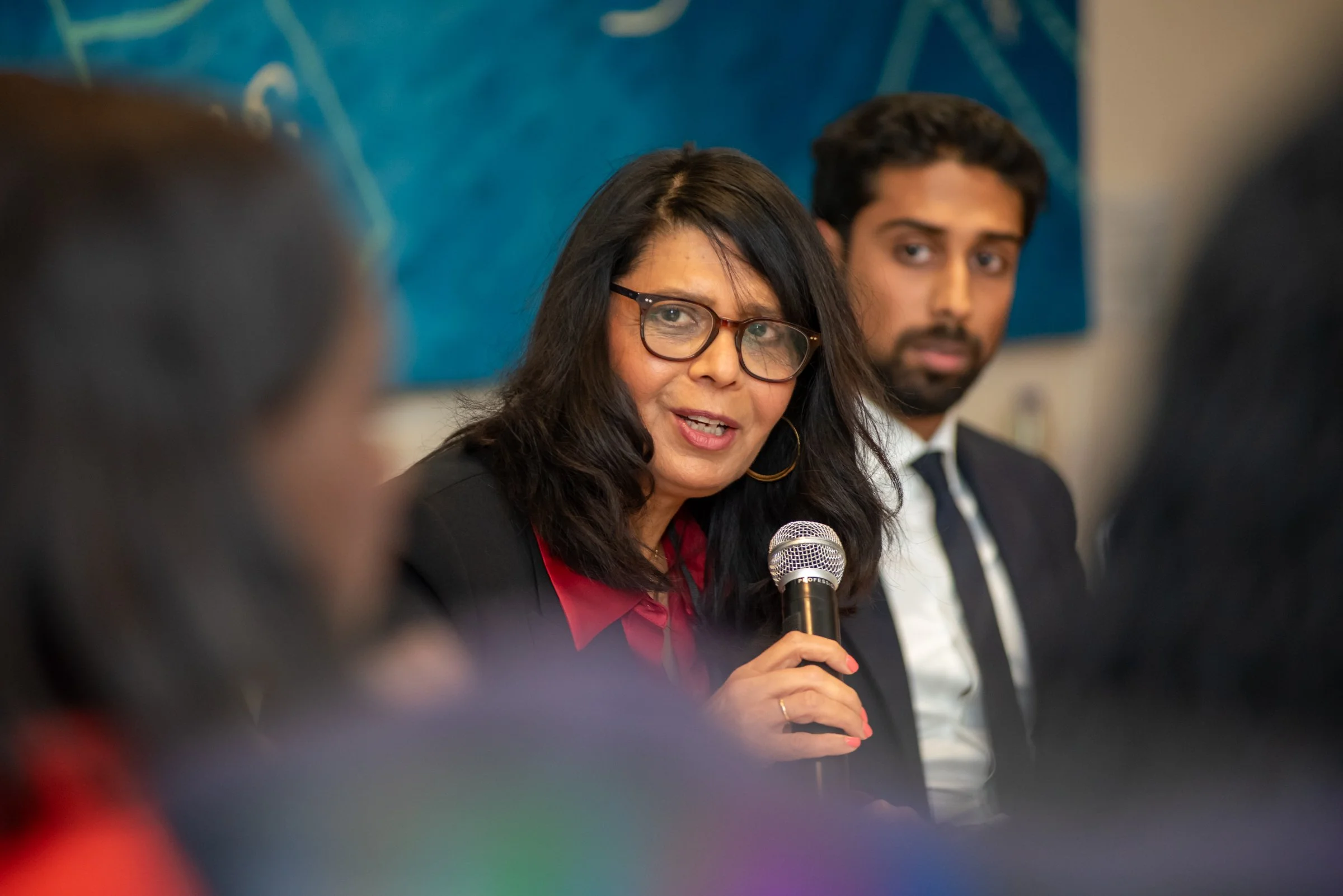
Awards
Inspirational Role Model of the Year at the Employer’s Excellence Awards, Metro
2025
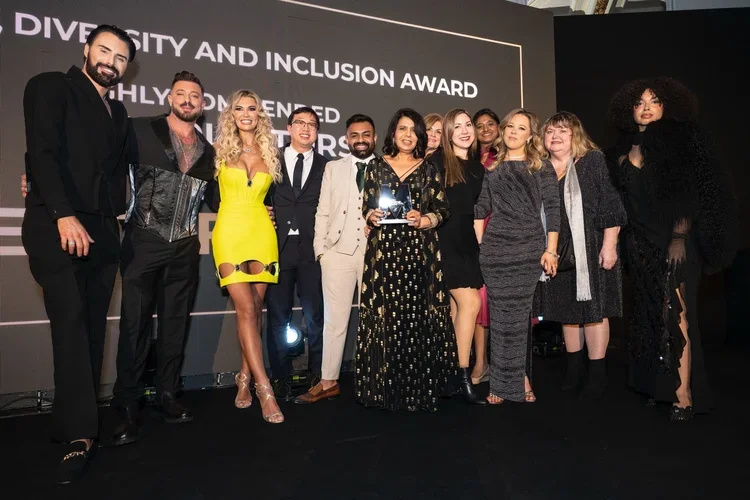
Metro Pride Award for “Equality, Diversity and Inclusion”
2025
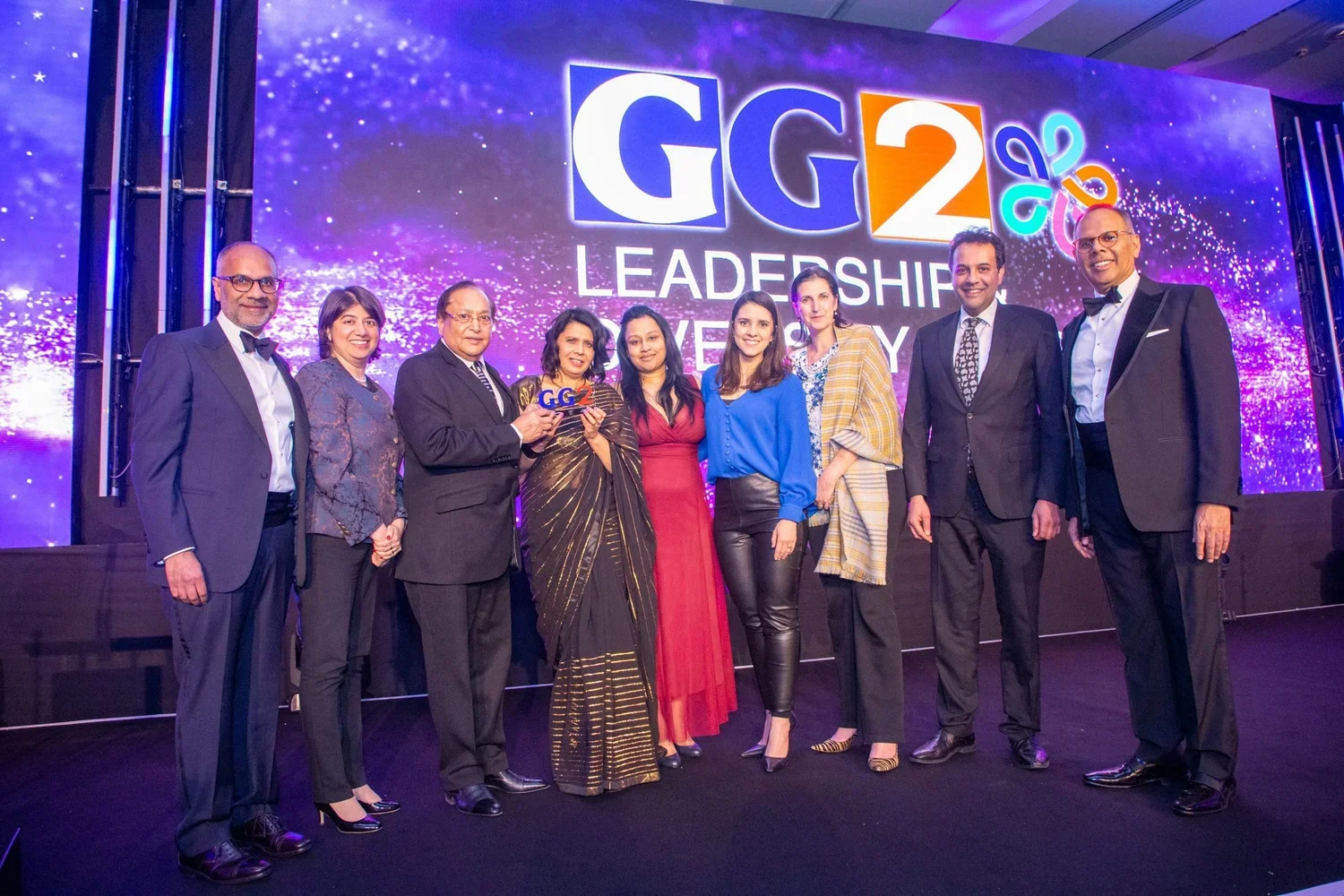
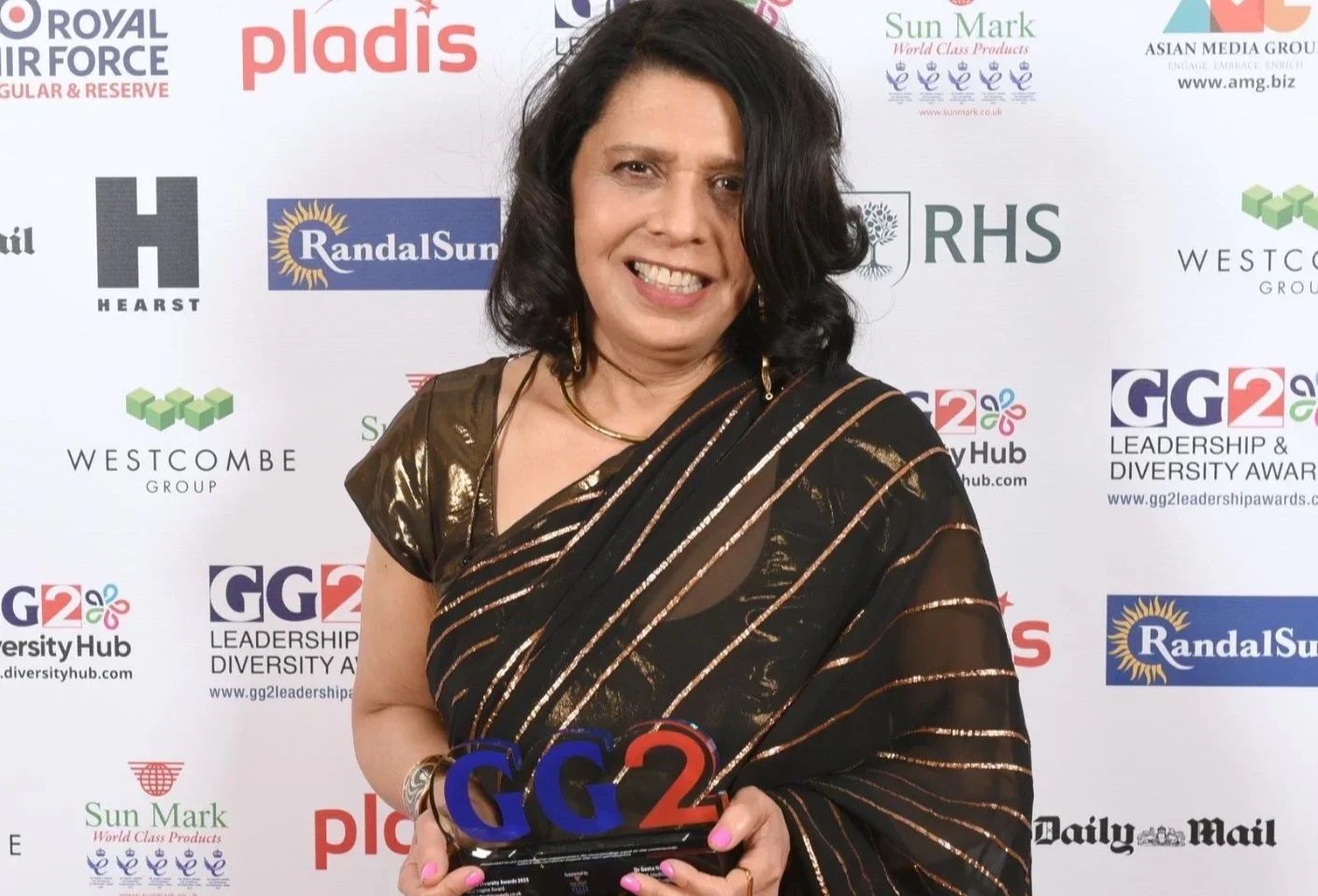
GG2 Leadership and Diversity Inspire Award
2018
Economic Innovator of the Year: Spectator Magazine
2023
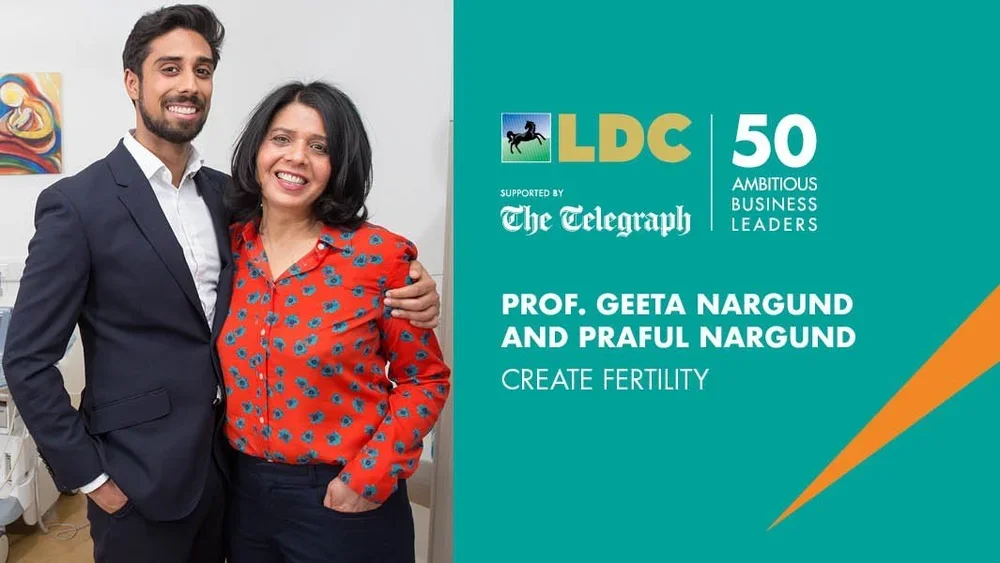
Lloyds Developmental Capital: Top 50 Ambitious Leaders
2020
London Business School: Real Innovation Awards, People’s Choice Award
2017
Special Award - Doctor of the Year: British Association for Physicians of Indian Origin
2017
Top ten most influential Asian women in Britain - Asian Sunday Newspaper
2017
Daily Telegraph UK STEM Awards Hero
2015
Winner at annual Inspiration Awards for Women
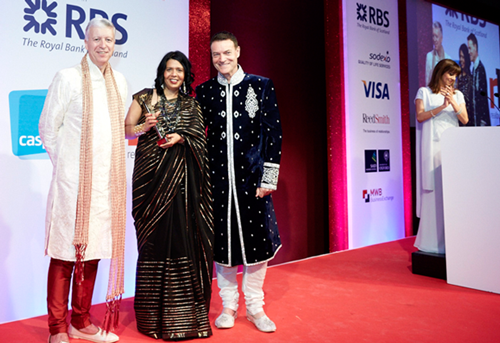
Winner of RBS Chairman’s Award
Winner of Red Magazines Hot Women Award for charity work
2013
2015
2014
Insights


Infertility affects tens of millions of people worldwide and is associated with substantial psychological distress, social stigma, gender-based violence, and economic vulnerability, particularly in low-income and middle-income countries (LMICs). Yet infertility care remains marginal within global health agendas and is often treated as elective or non-essential. This omission reflects a narrow interpretation of reproductive health that fails to recognise involuntary childlessness as a substantial and preventable source of human suffering.