
Low-cost in-vitro fertilisation as reproductive justice: reframing infertility care in global health
Infertility affects tens of millions of people worldwide and is associated with substantial psychological distress, social stigma, gender-based violence, and economic vulnerability, particularly in low-income and middle-income countries (LMICs). Yet infertility care remains marginal within global health agendas and is often treated as elective or non-essential. This omission reflects a narrow interpretation of reproductive health that fails to recognise involuntary childlessness as a substantial and preventable source of human suffering.

Is IVF treatment heading in the right direction?
In-vitro fertilisation (IVF) treatment has transformed the management of infertility. Since the first successful unstimulated cycle in 1978, treatment protocols have evolved, incorporating new concepts and technologies. A persistent drive is ongoing to improve pregnancy rates through diagnostic, technological, and clinical interventions, but these IVF add-ons are often introduced prematurely, without adequate risk–benefit evaluation. A parallel industry supporting these unproven add-ons is booming.

Women’s health strategy: neighbourhood services are central to reducing health inequalities
The renewed women's health strategy responds to the serious problem of gendered health inequalities.
Healthy life expectancy for women has fallen by 2.5 years between 2019–21 and 2022–24, faster than for men. In Hartlepool, one of England's most deprived areas, it stands at just 51.2 years for women.

Sex-based discrimination in medicine costs lives
22 September 2026: Readers respond to an article on women being less likely than men to be offered active treatment for the same conditions
Sex-based discrimination is not new, but the fact that women with the same health conditions as men – from kidney to heart to liver problems – are less likely to be offered treatment continues to shock us. These are not just men’s issues, as they have historically been treated, but conditions that significantly affect women.

I’m a fertility expert – these are the 11 mistakes people make when trying for a baby
The I Paper
Her message is clear: “Reproductive health is general health. Fertility treatments, including IVF, are healthcare. What I don’t want is people to be hearing these myths around IVF and fertility treatment and doing something unnecessarily expensive, unnecessarily invasive, or unnecessarily high dose”…

Patient Data: Research
10 September 2026: Question for short debate on the use of patient data for research put forward by Lord Patel.
The National Health Service is one of Britain’s greatest institutions. After 30 years as a front-line NHS consultant in women’s health, I believe it can be more than a healthcare provider.
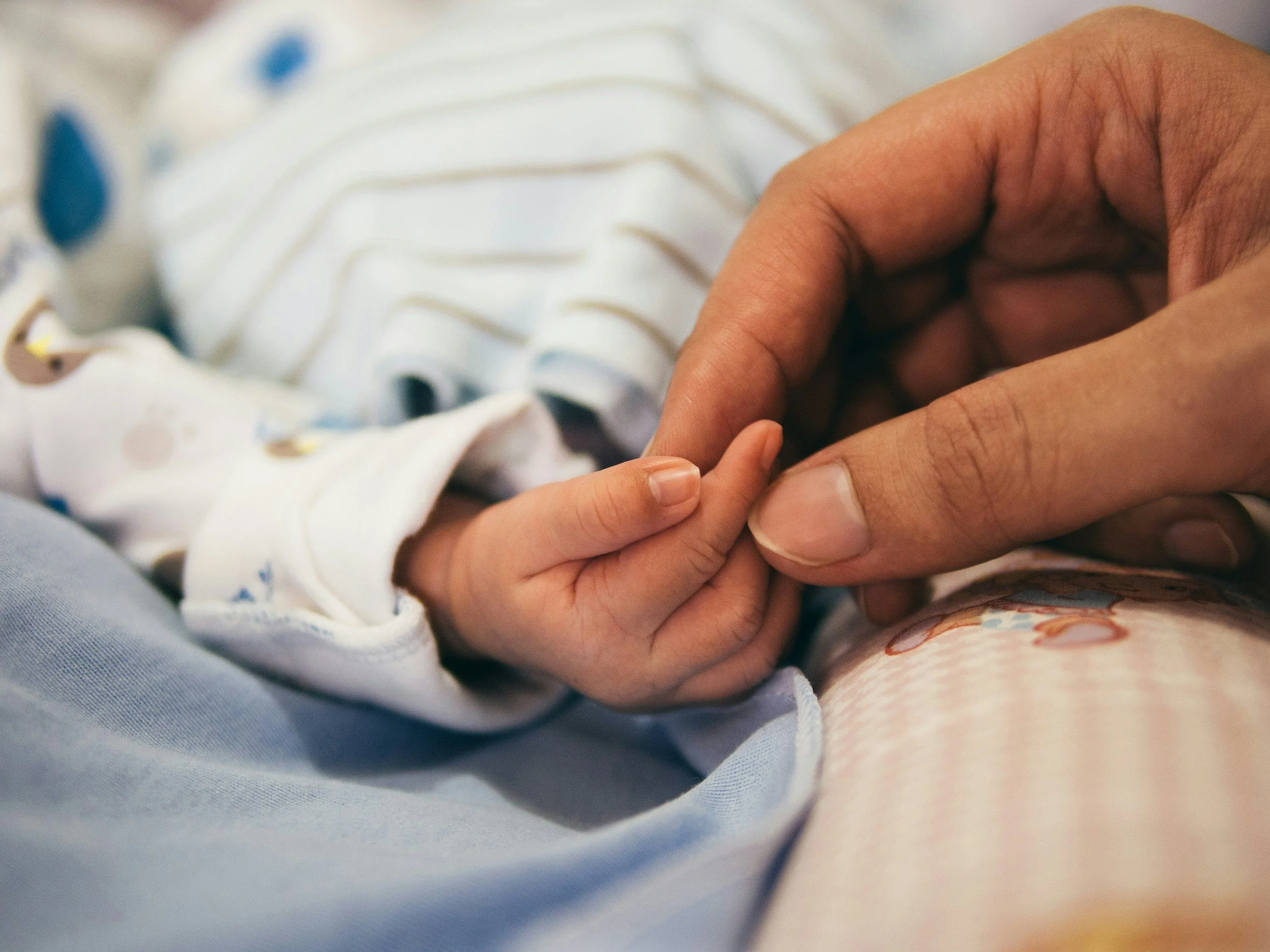
Preparing for an Ageing Society
4 September 2026: Debate on the Report from the Economic Affairs Committee Preparing for an Ageing Society.
Having written and campaigned on declining birth rates since 2009, I will focus my remarks on the fertility aspect of this challenge. Last year, we had the lowest birth rate since 1977.

Government Political Priorities and Legislative Agenda
3 September 2026: Labour debate on the Government’s political priorities and legislative agenda put forward by Lord Hunt of Kings Heath.
What is striking about this Government’s priorities is their willingness to confront Britain’s hardest problems head-on, placing the country first. Health now needs a similar approach.

Skills, Vocational Training, and Further and Higher Education
3 September 2026: Debate on the action needed on skills, vocational training, and further and higher education to improve outcomes for those from deprived and disadvantaged communities and strengthen regional growth put forward by Baroness Morgan of Huyton.
Skills, training, employment, health and regional growth are deeply interconnected. If we want to reduce regional inequalities, we must create opportunities for young people where they live.

Government Record on Education, Employment and Welfare
16 July 2026: Debate on the Government’s record on education, employment and welfare since July 2024 put forward by Baroness Lady Evans of Bowes Park.
Education, employment and welfare are interconnected. When education fails, employment suffers. When secure work is out of reach, welfare dependency rises.

International Development Outcomes for Women and Girls
9 July 2026: A debate on the impact of cuts to Official Development Assistance on international development outcomes for women and girls put forward by Baroness Sugg.
In my role as a former vice-chair and trustee of the British Red Cross, I was closely involved in programmes supporting mothers and babies affected by conflict.

Modern Service Framework for Dementia and Frailty
9 July 2026: A debate on the upcoming Modern Service Framework for Dementia and Frailty put forward by Lord Weir of Ballyholme.
Dementia is not gender neutral. We may not have a cure at the moment, but we can cure the inequity in access to research, clinical trials, early diagnosis and effective treatments.
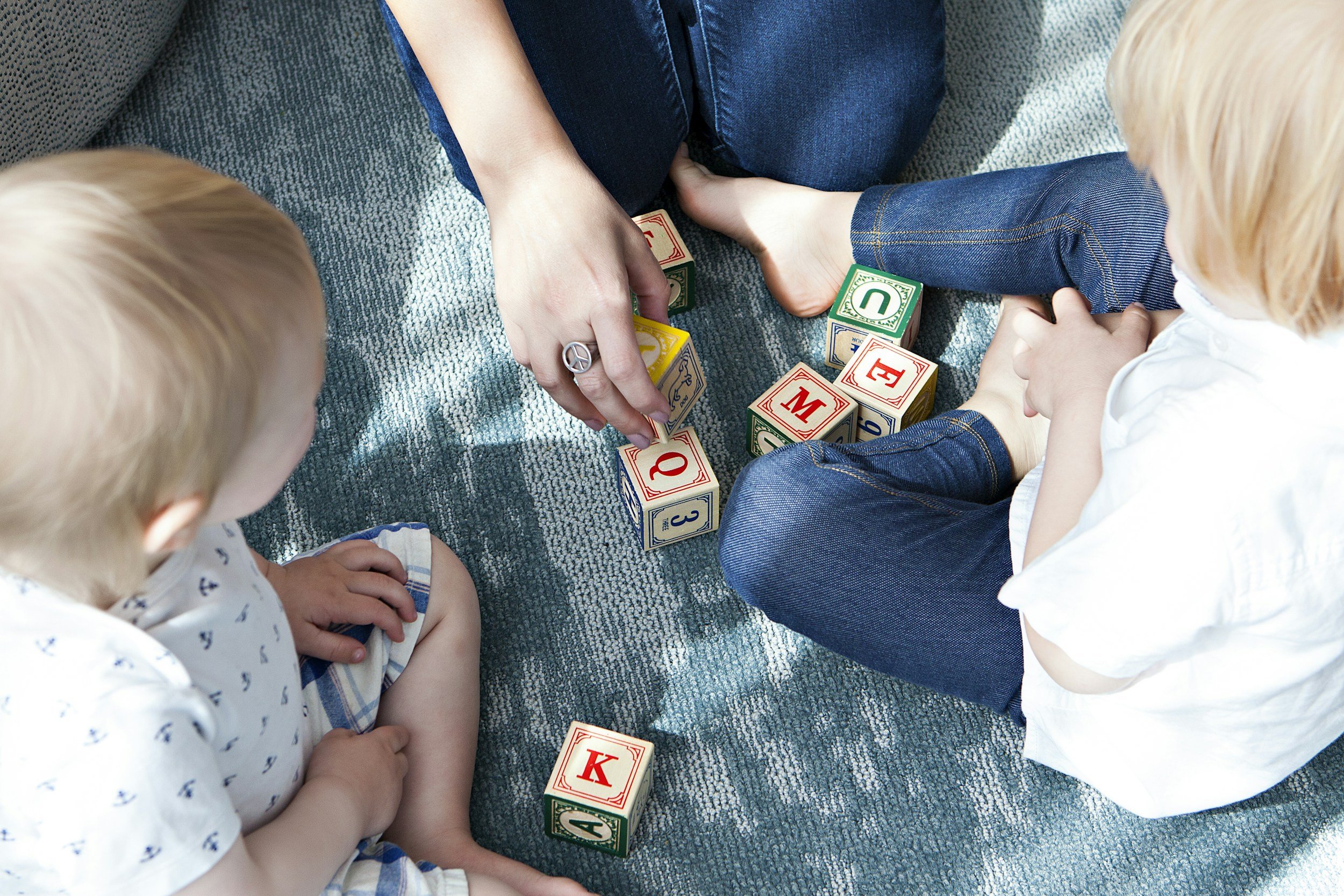
Child Poverty
18 June 2026: A debate taking note of the Government’s actions to tackle child poverty put forward by Baroness Lister of Burtersett.
I want to focus my remarks on what I know best: health. Child poverty is not simply a social issue; it is a public health crisis. Unless we address it, we will continue to pay the price for decades to come in poorer health, greater inequality and rising demands on our NHS.

Mental Health Conditions: Diagnoses
15 June 2026: A short debate on the number of diagnoses of mental health conditions in the past 5 years put forward by Baroness Maclean of Redditch.
While mental ill-health is rising across our society, the deterioration has been particularly marked among girls and women. I do not for one moment minimise the crisis in male mental health.

Welfare Reforms and Youth Unemployment
11 June 2026: Debate on welfare reforms and youth unemployment put forward by Lord Evans.
We face a profound challenge. NEET is not simply a jobs crisis; it is in fact a health crisis with a job problem. Some 44 % of NEET young people report a work-limiting health condition, 24% cite depression and anxiety, and 70% report loneliness."

Declining Birth Rates
4 June 2026: Short debate on declining birth rates in an ageing population put forward by me.
“Demography is destiny” is an old saying that has never felt more urgent. The UK faces a demographic shift that threatens an unfolding economic crisis. This issue has concerned me for nearly two decades.

Fertility Treatment Regulation
4 June 2026: Debate on fertility treatment regulation put forward by Baroness Deech.
The debate is rooted in my long-standing and strong commitment to promoting the health and safety of women and the belief that fertility treatment has raised the standard in the UK.
I have been proud to serve in the fertility sector for most of my career.
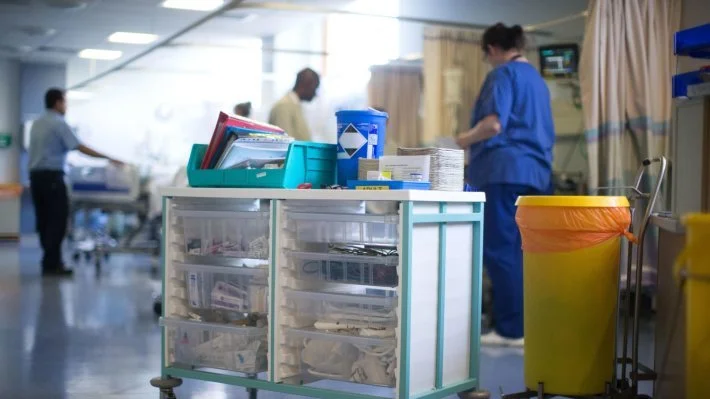
DHSC alone cannot fix our health and care crisis
The Prime Minister is right to say that social care is too important, too difficult and too long neglected to be left to politics as usual. His decision to seek a cross-party solution recognises a simple truth: Britain’s biggest challenges cannot be solved by one department, or one government, acting alone.
Health more broadly deserves the same approach…

We need to transform women's healthcare to tackle "medical misogyny"
Affiliations Expand
PMID: 39672567
DOI: 10.1136/bmj.q2813

Livebirth rates are influenced by an interaction between male and female partners' age: analysis of 59 951 fresh IVF/ICSI cycles with and without male infertility
Study question: Does advanced male partner's age impact live birth rates (LBRs) in IVF treatment when female partner's age is factored in?