
Promising Perinatal Outcome after Using a Simplified Low-Cost IVF Culture System Specifically Designed for Resource-Poor Countries
Background: Assisted reproductive techniques services are often not accessible to the majority of infertile couples in Low and Middle Income Countries (LMIC) due to high costs. Lowering IVF laboratory costs is a crucial step to make IVF affordable for a larger part of the world population. We developed a simplified culture system (SCS) which has proven to be effective, and the next step is to prove its safety.

The case for mild stimulation for IVF: recommendations from The International Society for Mild Approaches in Assisted Reproduction
The practice of ovarian stimulation for IVF is undergoing a fundamental re-evaluation as recent data begin to successfully challenge the traditional paradigm that ovarian stimulation should be aimed at the retrieval of as many oocytes as possible, in the belief that this will increase pregnancy rates. An opposing view is that live birth rate should not be the only end-point in evaluating the success of IVF treatment and that equal emphasis should be placed on safety and affordability.
Mild versus conventional ovarian stimulation for IVF in poor, normal and hyper-responders: a systematic review and meta-analysis
Background: Mild ovarian stimulation has emerged as an alternative to conventional IVF with the advantages of being more patient-friendly and less expensive. Inadequate data on pregnancy outcomes and concerns about the cycle cancellation rate (CCR) have prevented mild, or low-dose, IVF from gaining wide acceptance.
Mild ovarian stimulation for IVF: 10 years later
Ovarian stimulation to achieve multiple follicle development has been an integral part of IVF treatment. In the context of improved laboratory performance, the need for a large number of oocytes as an integral part of a successful IVF programme may be questioned.

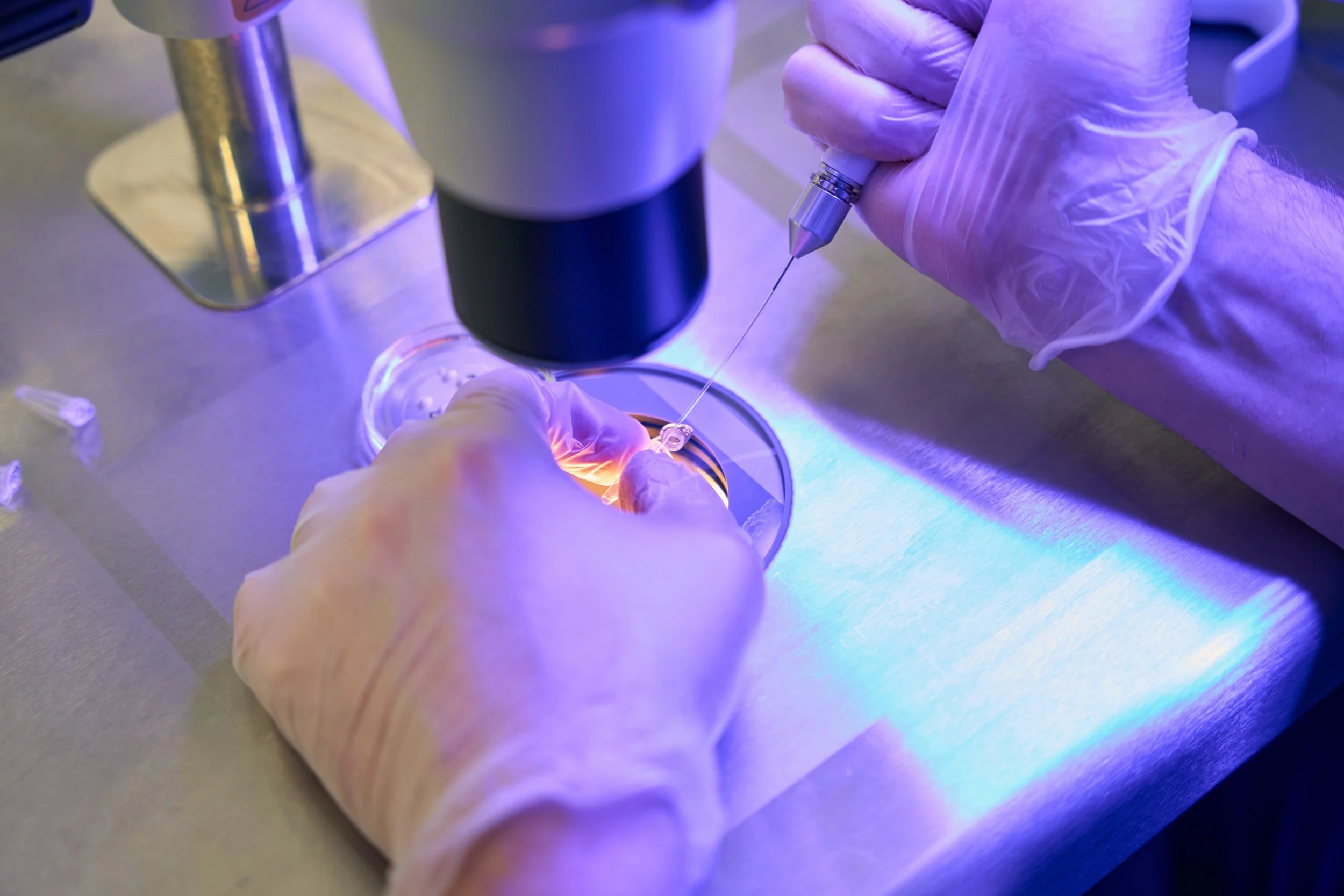
First births with a simplified culture system for clinical IVF and embryo transfer
This study reports the outcome results from a pilot clinical trial using a simplified laboratory method for human IVF. This system reproducibly generates de novo the atmospheric and culture conditions that support normal fertilization and preimplantation embryogenesis to the hatched blastocyst stage without the need for specialized medical-grade gases or equipment.
The (t)WE lab Simplified IVF Procedure: First Births after freezing/thawing
Background: Infertility care is one of the most neglected health care issues in developing countries (DC), affecting more than 50 million couples. The social stigma of childlessness still leads to isolation and abandonment. Bilateral tubal occlusion due to sexually transmitted diseases and pregnancy-related infections is the most common cause of infertility in DC.

Declining birth rate in Developed Countries: A radical policy re-think is required
Nargund G.
Facts Views Vis Obgyn. 2009;1(3):191-3. 38.
The ISMAAR proposal on terminology for ovarian stimulation for IVF
IVF is performed with oocytes collected in natural and stimulated cycles. Different approaches to ovarian stimulation have been employed worldwide.

Towards a more physiological approach to IVF
The International Society for Mild Approaches in Assisted Reproduction (ISMAAR) is founded to promote a more physiological, less drug-oriented, lower risk, less expensive and more patient friendly approach to Assisted Reproduction embracing not only natural cycle treatment but also gentle stimulation protocols and in-vitro maturation of oocytes.

Time for an ultrasound revolution in reproductive medicine
Nargund G.
Ultrasound Obstet Gynecol. 2002 Aug;20(2):107-11. No abstract available. 57.

Investigation of the infertile couple: a one-stop ultrasound-based approach
The appropriateness of many investigations for subfertility will continue to be of debate for some time yet.
Cumulative conception and live birth rates in natural (unstimulated) IVF cycles
IVF treatment, which involves ovarian stimulation, poses significant health problems such as ovarian hyperstimulation and is associated with a high incidence of multiple pregnancy and premature birth. In this paper, we demonstrate how natural cycle IVF is an effective and potentially cost-effective alternative treatment option for certain groups of infertile couples.

Successful planned delay of ovulation for one week with indomethacin
Nargund G, Wei CC.
J Assist Reprod Genet. 1996 Sep;13(8):683-4. 73.

Ultrasound derived indices of follicular blood flow before HCG administration and the prediction of oocyte recovery and preimplantation embryo quality
The principal aim of the study was to relate ultrasound-derived indices of blood flow in individual follicles on the day of, but before, the administration of human chorionic gonadotrophin (HCG) to the subsequent recovery of oocytes and the production of preimplantation embryos.

Closing the gender health gap
Read about the key findings from a survey launched by CREATE Fertility, in conjunction with Cityparents (now WorkLife Central)

Now is the time to introduce new innovative assisted reproduction methods to implement accessible, affordable, and demonstrably successful advanced infertility services in resource-poor countries
“A low-cost, simplified IVF system has been developed and shown to be safe, cost-effective, and widely applicable to low-resource settings.

Let’s care for those who care for us – and end medical misogyny
In a piece for The House Magazine, Geeta wrote: "Women’s pain is too often dismissed, recorded as emotional, or misunderstood and misdiagnosed. Until we understand the underlying reasons behind this ‘medical misogyny’ and find practical solutions, the NHS reform agenda is doomed to fail."

Shocking UK statistic is an economic timebomb waiting to blow up in our faces
Professor Geeta Nargund in the Daily Express on declining birth rates.

We can only solve our population crisis with family-friendly policies
Following the announcement that the maternity and neonatal unit at Royal Free Hospital will be closing, Geeta covers the findings of the Economist Impact report and more in her solution-oriented analysis for Reaction. Prof Geeta Nargund

The NHS 10-year plan is an opportunity to transform our nation’s health and wealth
A week prior to the release of the NHS 10-year health plan, Geeta set out her vision for reform:
The creation of a national health innovation service...